Vascular Biomechanics and Mechanobiology
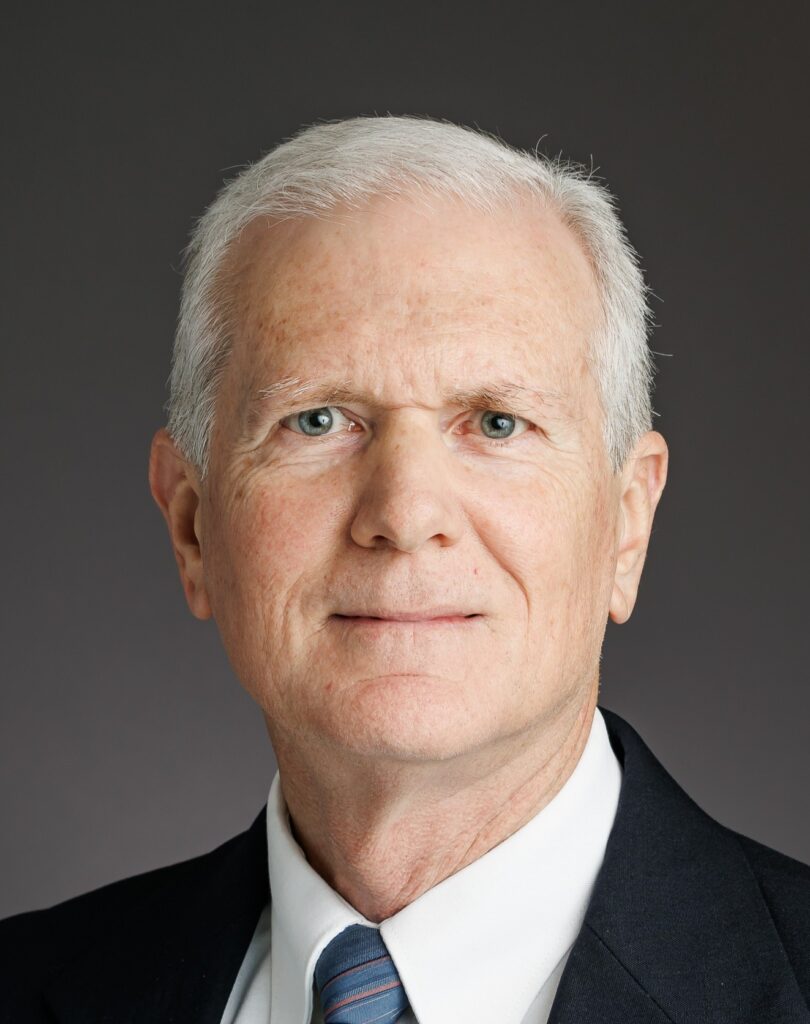
Jay Humphrey
Department of Biomedical Engineering
Yale University, New Haven, CT, USA
Modeling in Vascular Mechanics and Mechanobiology: From Code to Clinic
Parallel advances in our understanding of mechanobiology and development of computational methods is creating an unprecedented opportunity for modeling to contribute directly to clinical care.
In this presentation, we will briefly review both a past success and a future opportunity. We previously used a data-informed modeling approach based on the concept of constrained mixtures to describe and predict the in vivo development of a neovessel from an implanted biodegradable conduit that was used in the Fontan procedure for treating children with congenital heart defects.
Among other findings, the model predicted an unexpected natural history – that the developing conduit would experience an early narrowing that would resolve naturally via later mechano-mediated processes. This modeling predication helped to explain early clinical experience and contributed to FDA reapproval of a clinical trial in which medical imaging revealed early narrowing in the conduits implanted in children.
Future promise in modeling is also expected to stem from a combination of tissue level growth and remodeling models with cell-signaling models, which together can capture tissue-level consequences of cell-level phenotypic changes. Among other applications, this method promises to enable in silico testing of diverse drugs, which in turn promises to accelerate the identification of the best candidate drugs, doses, and durations for pre-clinical testing.
Jay D. Humphrey received the Ph.D. in Engineering Science and Mechanics from The Georgia Institute of Technology and completed a post-doctoral fellowship in Medicine – Cardiovascular at the Johns Hopkins University.
He is currently John C. Malone Professor of Biomedical Engineering at Yale University, where his research and teaching focuses on vascular mechanics and mechanobiology. He has authored a graduate textbook (Cardiovascular Solid Mechanics), co-authored an undergraduate textbook with a former student (An Introduction to Biomechanics, 3rd Edition), co-authored a handbook (Style and Ethics of Communication in Science and Engineering, 2nd Edition), and published over 400 archival journal papers.
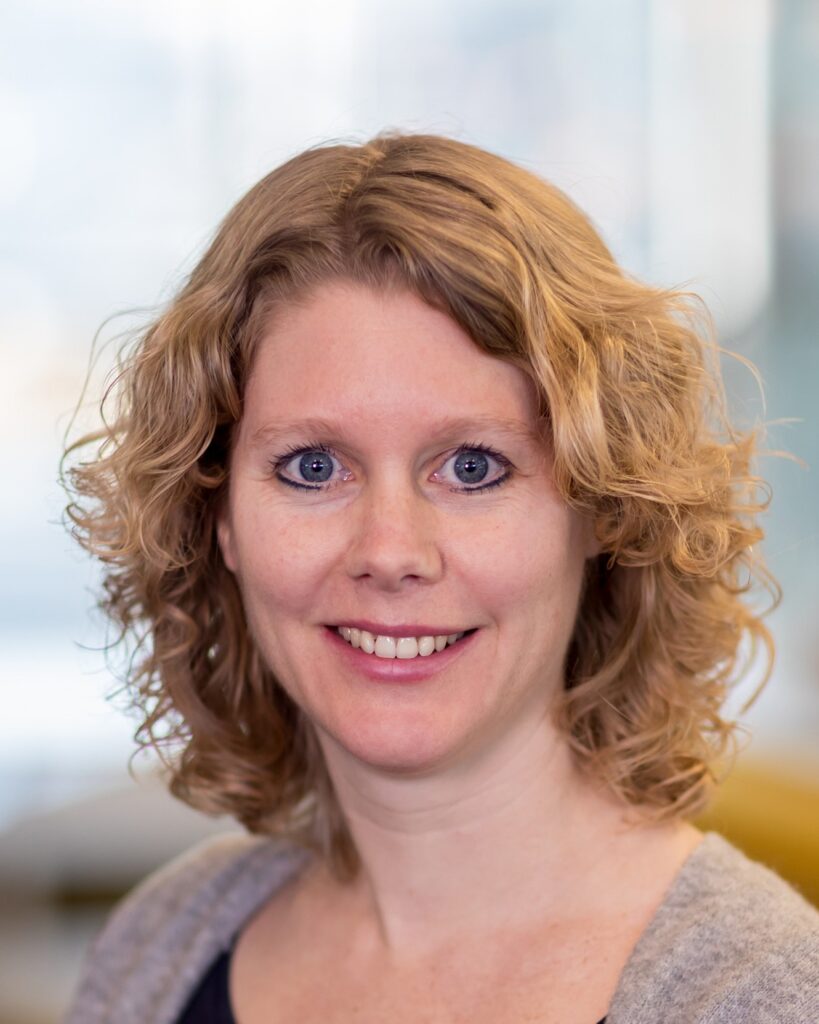
Sandra Loerakker
Department of Biomedical Engineering
Eindhoven University of Technology, the Netherlands
Modeling Cardiovascular Regeneration: From Mechanistic Understanding to Prediction-Guided Advances in Regenerative Medicine
Regenerative medicine aims to cure diseased tissues by restoring their physiological organization and, consequently, their functionality. Cardiovascular tissue engineering is a promising approach within this field, in which biodegradable scaffolds are implanted and gradually transform into living tissue at the implantation site.
Despite encouraging results, previous in vivo studies have demonstrated highly unpredictable outcomes and unacceptably high failure rates. Computational models can make a substantial contribution to unraveling the underlying regenerative mechanisms and identifying scaffold design criteria that ensure robust and successful cardiovascular regeneration.
In this talk, I will provide an overview of the experimentally informed computational models that we have developed to analyze the growth and remodeling of cardiovascular tissues. In particular, we have focused on understanding how mechanobiological processes at the (sub)cellular scale govern the evolution of the macroscopic properties and functionality of (engineered) cardiovascular tissues, with (tissue-engineered) heart valves as the primary application area.
Sandra Loerakker is a Full Professor at Eindhoven University of Technology (TU/e), the Netherlands. She obtained her PhD from TU/e in 2011, for which she received the European Society of Biomechanics (ESB) Best Doctoral Thesis in Biomechanics Award and the EPUAP Novice Investigator Award in 2012.
Her research focuses on developing experimentally informed computational models to understand and predict how mechanical factors regulate soft tissue regeneration and adaptation, with a particular emphasis on cardiovascular regenerative medicine. She has been awarded several prestigious personal research grants, including a Marie Skłodowska-Curie Global Fellowship (2015), an ERC Starting Grant (2018), an NWO Vidi Grant (2022), and an ERC Consolidator Grant (2025).
In recognition of her contributions to education, Sandra was elected Best Master Teacher of TU/e’s Department of Biomedical Engineering in 2018, 2019, 2022, and 2024, and Best Master Teacher of TU/e in 2022.
She serves as an Associate Editor of the Journal of Biomechanical Engineering and is an Editorial Board Member of Biomechanics and Modeling in Mechanobiology. In 2024, she was elected to the Council of the European Society of Biomechanics. Since 2026, she also serves as Vice Dean of the Department of Biomedical Engineering at TU/e.
Musculoskeletal Biomechanics
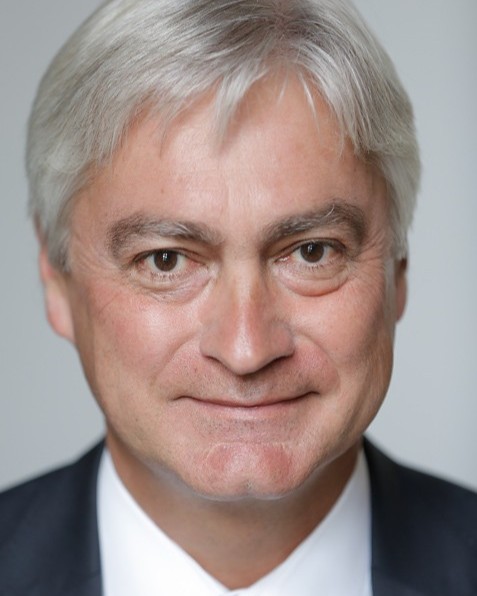
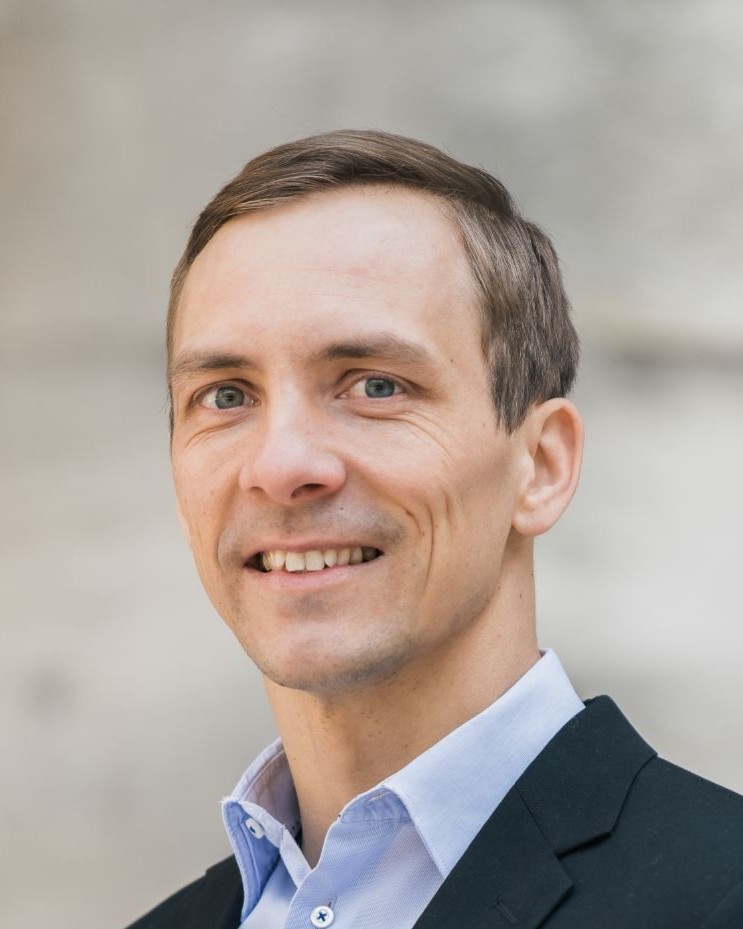
Hans Kainz
Head of the Neuromechanics Research Group
University of Vienna, Austria
Multi-Scale Simulations to Gain New Insights into the Relationship Between Movement, Bone Loading, and Torsional Deformities
Bones are pivotal to long-term health, providing structural support and facilitating mobility. However, various patient groups commonly develop torsional bony deformities, leading to numerous clinical problems. Understanding, monitoring, and ultimately modifying bone growth is crucial for improving the functional mobility and preserving lifelong health.
Although it has been recognized since the 19th century that bone growth adapts to mechanical loading, the specific loading environments that promote normal development or drive pathological deformities remain unknown. Prof. Kainz’s research aims to address this knowledge gap by investigating the complex interactions between mechanical loading, bone growth, and femoral morphology in typically developing children and those with torsional deformities.
This keynote will demonstrate how computational biomechanics, combining medical imaging, three-dimensional motion analysis, and in-silico simulations, can provide novel insights into pathological movement patterns and their consequences for musculoskeletal loading. Recent findings from multiscale modelling studies across diverse pediatric clinical cohorts will illustrate how computational models improve our understanding of disease mechanisms, bone development, and treatment effects. Finally, the talk will highlight the methodological and clinical challenges that drive the development of next-generation modelling approaches, with the overarching goal of advancing fundamental musculoskeletal science and enabling more informed clinical decision-making.
Hans is an Associate Professor and Head of the Neuromechanics Research Group at the University of Vienna (Austria). His research focuses on unraveling the complex interplay between anatomy, human movement, in vivo loading, and mechanobiological adaptations.
Hans obtained his PhD in Biomechanics from Griffith University (Australia) in 2016 and worked as a Rehabilitation Engineer at Queensland Children’s Hospital from 2014 to 2016. From 2017 to 2020, he was a Postdoctoral Research Fellow at KU Leuven (Belgium). Hans has received several prestigious awards and grants, including the ESB Clinical Biomechanist Award (2020), the ESB Early Career Award (2023), the ESMAC Promising Scientist Award (2024), and an ERC Consolidator Grant (2025-2029). He is an OpenSim Fellow (Stanford) and serves as a board member of the ESMAC society and the ESB Austrian chapter.
Neuro-engineering and Translational Research
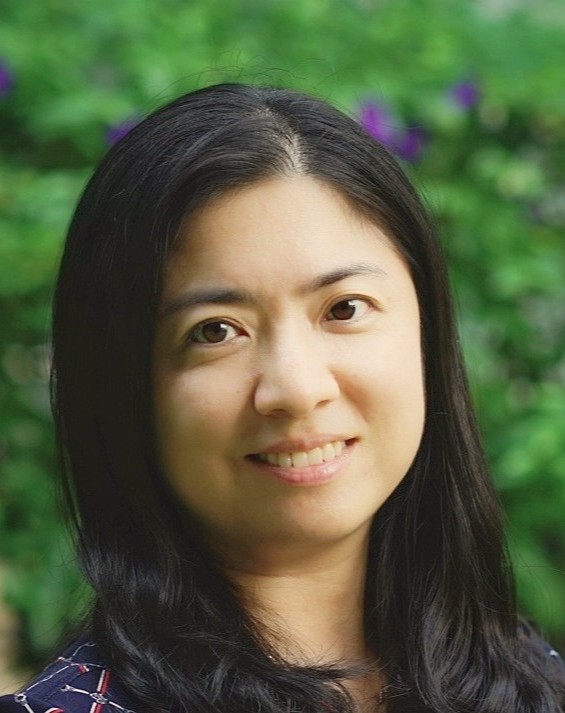
Helen Zhou
Centre for Sleep and Cognition
National University of Singapore, Singapore
Multimodal brain foundation models for precision neurology and healthy longevity
Advances in brain imaging and AI offer an unprecedented opportunity to probe the human mind and develop new approaches for treating neuropsychiatric disorders and promoting healthy longevity.
This talk focuses on building multimodal brain foundation models that integrate brain imaging with AI to enable brain decoding, lesion segmentation, and behavior prediction. I will discuss our recent work on interpretable multimodal brain foundation models, Brain-JEPA, BrainHarmony, and BrainFIBRE.
I will situate these models within the framework of brain network phenotypes in neurological disorders such as Alzheimer’s disease and cerebrovascular disease, examining how these phenotypes relate to underlying pathology, identify at-risk individuals, and predict clinical outcomes including cognitive decline.
Looking ahead, integrating AI with multimodal imaging promises deeper insight into human behavior and earlier detection and intervention strategies, advancing precision neurology and healthy longevity.
Dr. Juan Helen ZHOU is an Associate Professor at the Centre for Sleep and Cognition and Director of the Centre for Translational MR Research at the Yong Loo Lin School of Medicine, National University of Singapore (NUS). She is also affiliated with Department of Electrical and Computer Engineering at the School of Design and Engineering, NUS as well as Duke-NUS Medical School, Singapore.
Her research focuses on selective brain network-based vulnerability in aging and neuropsychiatric disorders, leveraging multimodal neuroimaging and machine learning approaches. She is widely recognized for her pioneering work on multimodal brain connectome, particularly in neurodegenerative disorders. More recently, her team has made advances in brain foundation models using deep learning for non-invasive brain decoding and human behaviour prediction.
Helen earned her Bachelor’s and Ph.D. in Computer Science at Nanyang Technological University, Singapore. She completed her postdoctoral fellowship at the Memory and Aging Centre, Department of Neurology, University of California, San Francisco, USA. She also worked in the Computational Biology Program at the Singapore-MIT Alliance and the Department of Child and Adolescent Psychiatry, New York University, USA.
Helen has served as a Council Member of the Organization for Human Brain Mapping (OHBM) and Program Committee members of both OHBM and the International Society of Magnetic Resonance in Medicine (ISMRM). She is an OHBM Fellow and on the advisory board of Cell Reports Medicine. She has served as editors for multiple journals including Nature Communications Biology, eLife, Neuroimage, and Human Brain Mapping. She is now the handling editor of Imaging Neuroscience. She has also served as Area Chairs for KDD, MICCAI, and organization committee of AP-CCN. Her research has been supported by various funding bodies in Singapore, the Royal Society (UK), and the NIH (USA).

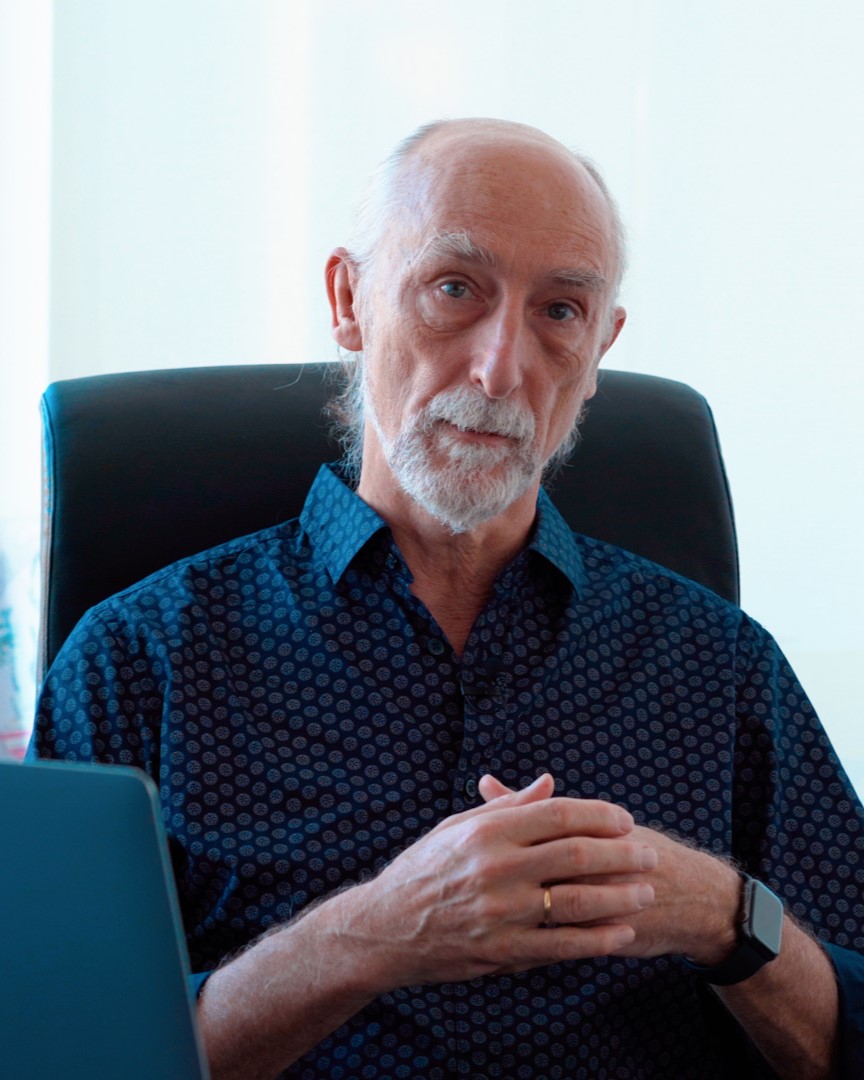
Alfonso Valencia
ICREA research Professor, Director of the Life Sciences Department of the Barcelona Supercomputing Center, Director of the Spanish National Bioinformatics Institute INB/ELIXIR/ES
Title of the talk: Cell Level Biomedical Simulations
Lorem ipsum dolor sit amet, consectetur adipiscing elit. Ut elit tellus, luctus nec ullamcorper mattis, pulvinar dapibus leo.
Lorem ipsum dolor sit amet, consectetur adipiscing elit. Ut elit tellus, luctus nec ullamcorper mattis, pulvinar dapibus leo.

Shayn Peirce-Cottler
Harrison Distinguished Professor and Chair of Biomedical Engineering,
University of Virginia
Title of the talk: Engineering the Microcirculation Using Multi-Scale Computational Modeling
Sylvie Lorthois
CNRS Research Director in the Porous and Biological Media Group of the Fluid Mechanics Institute of Toulouse
Title of the talk: Modeling Blood Flow and Mass Transfers Within the Brain
Prof Dr Michelle L. Oyen
Director, Center for Women’s Health Engineering
Assoc. Prof., Department of Biomedical Engineering and
Assoc. Prof., Department of Obstetrics and Gynecology
Washington University in St. Louis, USA
Lecture: The Virtual Pregnancy: Using Computational Models to Probe Human Reproduction
Preterm birth affects approximately ten percent of pregnancies and rates of maternal mortality in the US are rising. Computational investigations of pregnancy have great potential to explore fundamental aspects of reproductive physiology that are otherwise difficult or even impossible to investigate in humans. There are few-to-no good animal models of human pregnancy, and the reasonable ethical restrictions on experimentation with pregnant women limit clinical research. This talk will discuss how image-based computational modeling techniques can be used across length-scales to study different aspects of human pregnancy. Examples considered will include maternal-fetal oxygen transport in the placenta, and stresses in C-section scar defects at risk of rupture in subsequent pregnancies. With the recent worldwide attention given to poor maternal and fetal outcomes, fundamental bioengineering research into the mechanisms of preterm birth is timely and necessary. Computational models—including even full ‘digital twin’ models of pregnant persons—present a unique opportunity to advance an under-studied branch of medicine with significant financial and societal implications.
Michelle L. Oyen is the inaugural Director of the new Center for Women’s Health Engineering, based in the Department of Biomedical Engineering, Washington University in St. Louis. Prior to her current appointment, she was on the faculty at the University of Cambridge (2006–18) in the UK and then briefly at East Carolina University (2018–21). Michelle has degrees in Materials Science and Engineering (BS), Engineering Mechanics (MS), and a PhD in Biophysical Sciences. She has worked on many problems in tissue biomechanics and biomimetic materials. She has researched engineering approaches to pregnancy and women’s health for over twenty years, particularly in methods to prevent, diagnose, and intervene in preterm birth. Current research projects include multi-scale modeling of placenta function, microstructural fracture models for amniotic sac rupture, and physical properties of the healthy and pathological uterus.
She can be reached at oyen@wustl.edu.
Prof Steven Niederer
Chair in Biomedical Engineering at Imperial College London
Co-Director of the Turing Research and Innovation Cluster in Digital twins at the Alan Turing Institute, UK
Lecture: Scaling Cardiac Digital Twins
Cardiac digital twins, constrained by physics and physiology, offer a transformative framework for integrating patient data, predicting outcomes, and shaping therapy strategies. Despite promising early examples, the scalability of this technology remains a significant challenge, necessitating a shift from artisanal, bespoke solutions to a streamlined, automated workflow.
Scaling cardiac digital twins to reduce the computational and labour costs in their creation, will open the door to characterizing and studying patient cohorts and whole population variation providing new insight into cardiovascular physiology and health. Reducing manual steps in model creation will improve precision, allowing effective studies with smaller numbers of patients. Finally, scaling cardiac digital twins is needed to bring them into routine clinical care. As these tools and twins become more widely available there will be growing opportunities to use these in device development, drug discovery, education and in improving patient care.
Professor Steven Niederer completed his Bachelor’s degree in Engineering Science from the University of Auckland, and went on to pursue his PhD in Computer Science at the University of Oxford, where he focused on the development of mathematical models of the cardiovascular system. Steven was Professor of Biomedical Engineering at King’s College London, before he took up a new position as Chair in Biomedical Engineering at Imperial College London and Co-Director of the Turing Research and Innovation Cluster in Digital twins at the Alan Turing Institute. His research continues to focus on developing innovative computational models, simulation methods and data science techniques to further our understanding of cardiovascular disease and to help medical professionals make better clinical decisions.

Prof Scott L. Delp
James H. Clark Professor
Departments of Bioengineering, Mechanical Engineering, and Orthopaedic Surgery
Stanford University, USA
Lecture: Advances in Computation for Understanding Human Movement Dynamics
Movement is essential for human health. Unfortunately, many conditions, including cerebral palsy, osteoarthritis, injuries, and stroke, limit the ability of many people to move, at a great cost to public health and personal well-being. The proliferation of devices monitoring human activity, including mobile phones and an ever-growing array of wearable sensors, is generating unprecedented quantities of data describing human movement. Movement data is also being collected daily by hundreds of clinical centers and research laboratories around the world. A focus of my laboratory is to overcome the data science challenges and advance the analysis of big data to improve human movement across the wide range of conditions that limit mobility. I will also share my views on how to best advance the field of computational biomechanics.
Scott Delp is the James H. Clark Professor of Bioengineering, Mechanical Engineering, and Orthopaedic Surgery at Stanford University. He is the Founding Chairman of the Department of Bioengineering at Stanford and Director of the Wu Tsai Human Performance Alliance, which aims to transform human health through the science of peak performance. Dr. Delp is also the Director of the RESTORE Center, a NIH national center focused on measuring real world rehabilitation outcomes and Director of the Mobilize Center, a NIH National Center of Excellence focused on Big Data and Digital Health. Scott’s laboratory develops technologies to advance movement science and human health. Software tools created in his lab, including OpenSim, OpenCap, AddBiomechanics, and Simtk.org, have become the basis of an international collaboration involving thousands of scientists. He has published over 300 research articles and has recently released a book from MIT Press entitled Biomechanics of Movement: The Science of Sports, Robotics, and Rehabilitation. Dr. Delp has co-founded six health technology companies and is a member of the U.S. National Academy of Engineering.